Oceans and Deep Sea
We have better maps of Mars than of our own sea floor.
How little we have seen
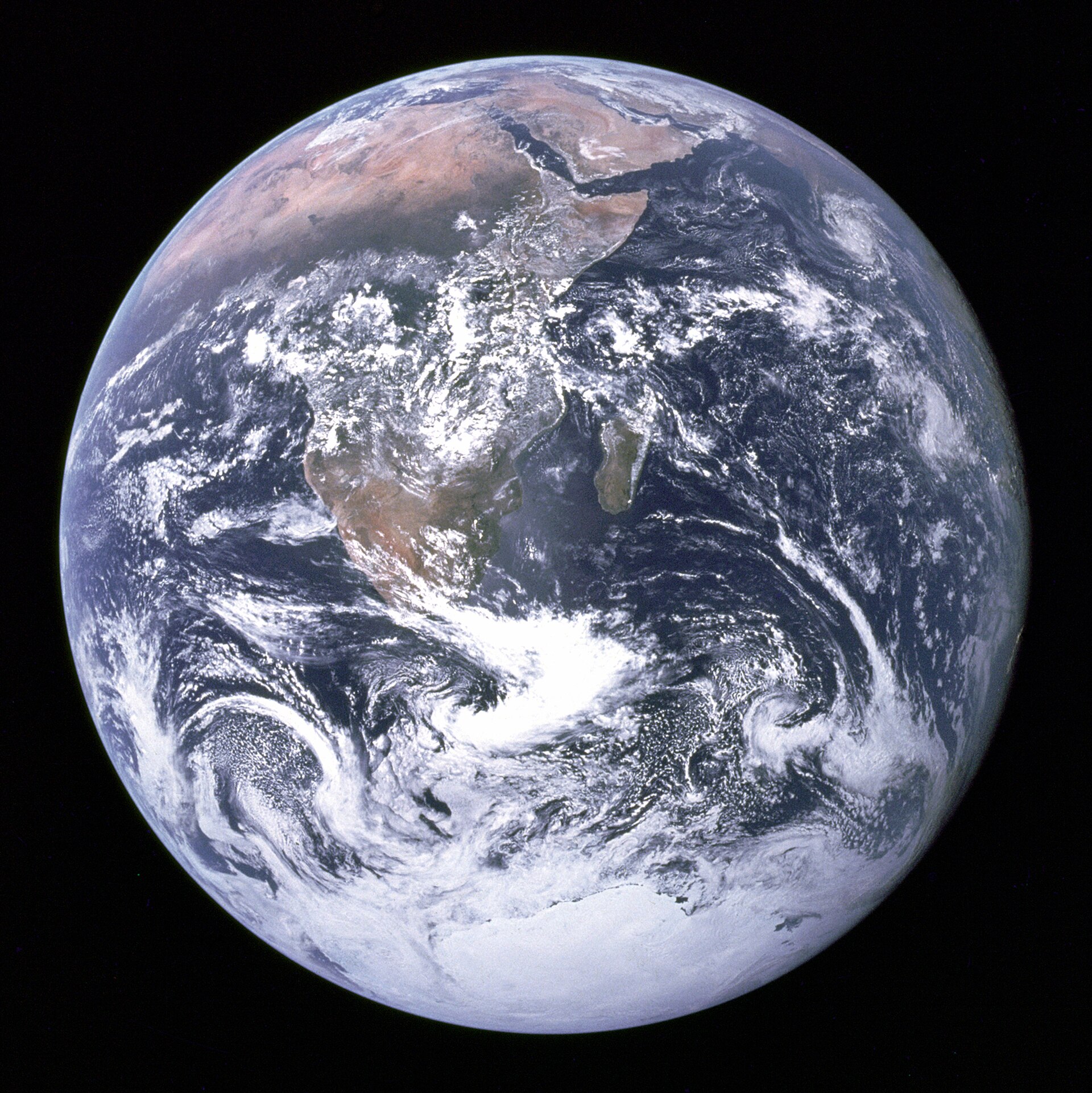
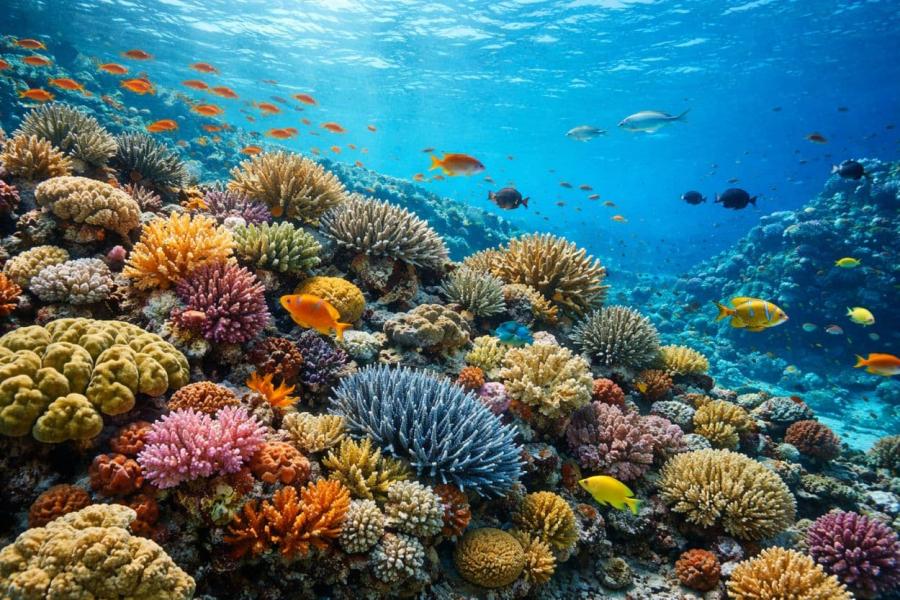
The ocean covers 71% of the planet, and more than 80% of it is still unmapped and unexplored. More people have walked on the Moon than have reached the deepest point of the sea. Scientists think hundreds of thousands of marine species are still undiscovered. And the ocean produces over half the oxygen you breathe, mostly from tiny plankton rather than trees.
Why it matters beyond curiosity
Some of our best medicines come from the sea. Ziconotide, a painkiller far stronger than morphine and not addictive, comes from cone snail venom. Cancer drugs have come from sea sponges. Creatures that survive crushing pressure, darkness and near-freezing cold have evolved chemistry we can learn from.
The ocean also runs the climate. It absorbs around a third of the CO2 we produce and about 90% of the extra heat. And it could power and feed billions through offshore wind, tidal and wave energy, and sustainable fish farming.
More worth reading up on
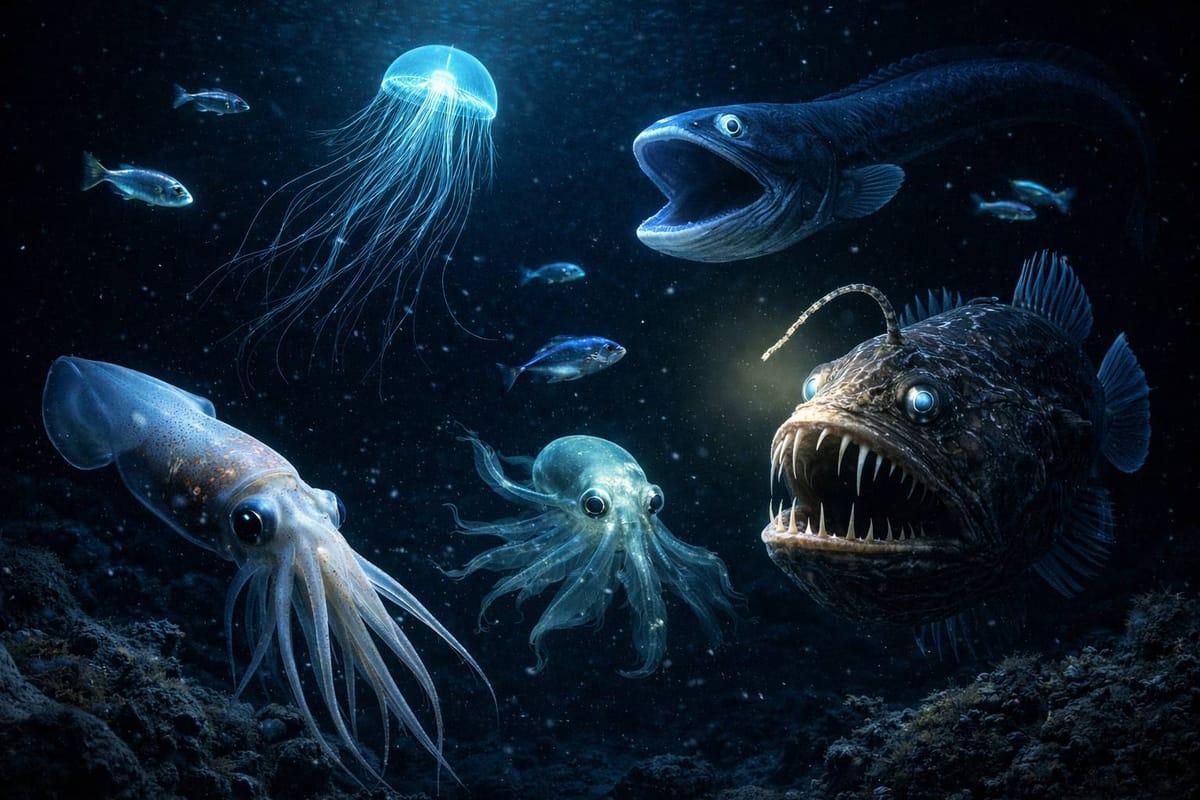
Deep-sea creatures like the anglerfish and giant squid, built for pressure and total dark. Underwater volcanoes, where most of Earth's volcanic activity actually happens. Shipwrecks sitting untouched in the cold, from ancient trade ships to the Titanic. And the drones and submarines slowly mapping a world we have barely seen.
Still open
Mapping the sea floor, predicting rogue waves, and cleaning up plastic at scale are covered in Unsolved: Oceans.